Tree Removal Metairie and Stump Grinding: What’s Included?

Homeowners in Metairie usually start asking about tree removal for one of three reasons. A storm split a limb and exposed a crack down the trunk. Roots started lifting a driveway or pushing too close to the slab. Or a tree that once looked healthy has quietly declined to the point where it is clearly not coming back. In all three cases, the next question tends to be the same: what, exactly, is included when you hire a company for tree removal and stump grinding?
That question matters more than most people realize. Two estimates can look similar at first glance, then turn out to cover very different scopes of work. One company may include hauling every branch, grinding the stump below grade, and blowing off the driveway. Another may quote only the cutting itself, leaving the stump, surface roots, and debris handling as add-ons. If you have never hired for tree removal in Metairie before, it is easy to assume everyone is pricing the same thing. They often are not.
Metairie has its own set of challenges that affect how removal work is planned and priced. Yards are often tighter than they look from the street. Fences, sheds, pool decks, overhead service lines, and neighboring structures leave little margin for error. The local weather adds another layer. A tree that has survived years of heat, humidity, and repeated storms may look stable from a distance, but experienced crews know how often internal decay hides behind a decent canopy. That is why a proper tree removal job is not just a chainsaw and a trailer. It is a controlled process, and the details of that process are what you are really paying for.
What a standard tree removal service usually covers
When a company provides a full tree removal service, the work usually starts well before any cutting begins. A competent crew evaluates the species, lean, trunk condition, canopy weight, access points, overhead hazards, and drop zones. In a neighborhood like Old Metairie or anywhere with close property lines, the crew is often planning a piece-by-piece dismantling rather than a simple fell. That difference changes labor, equipment, and time on site.
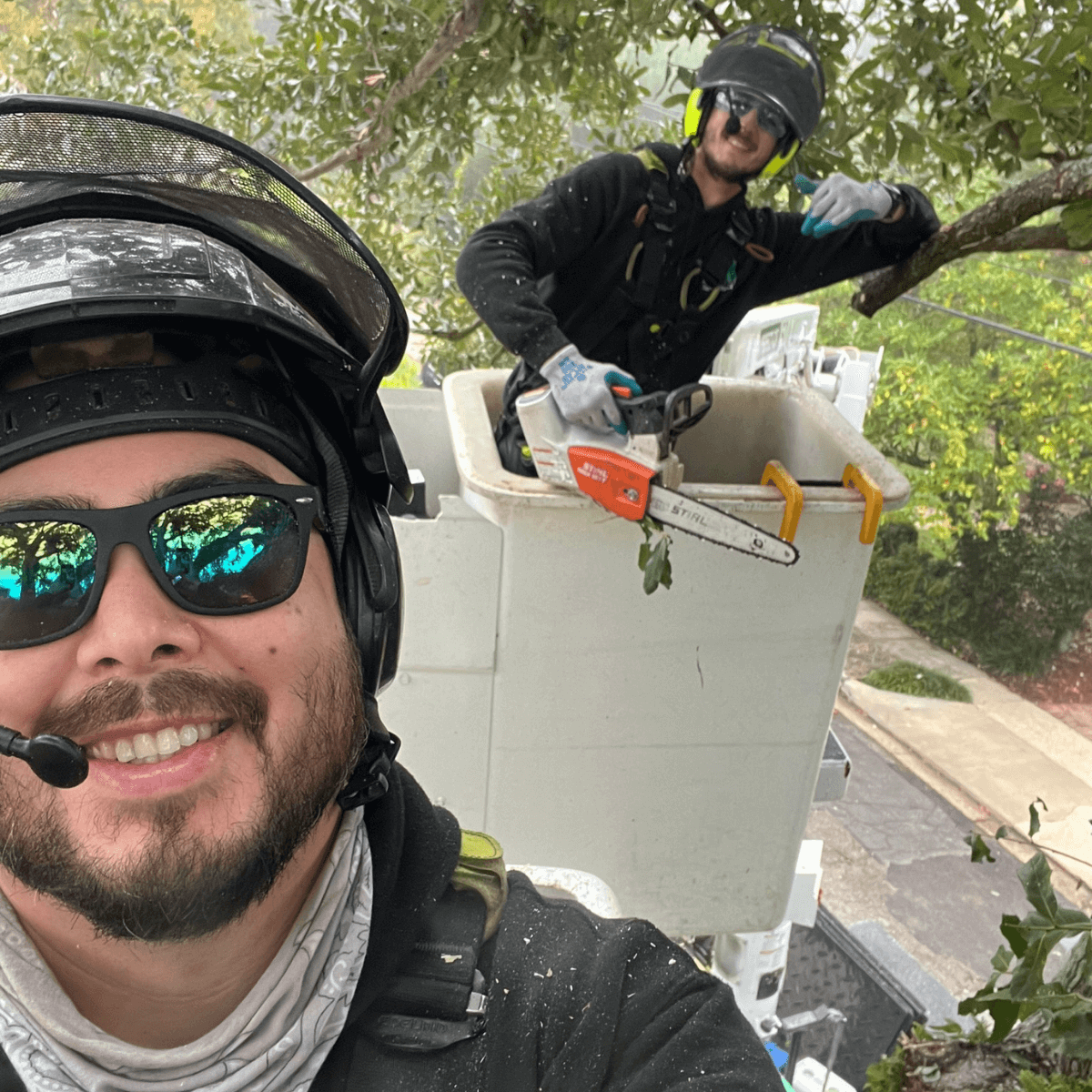
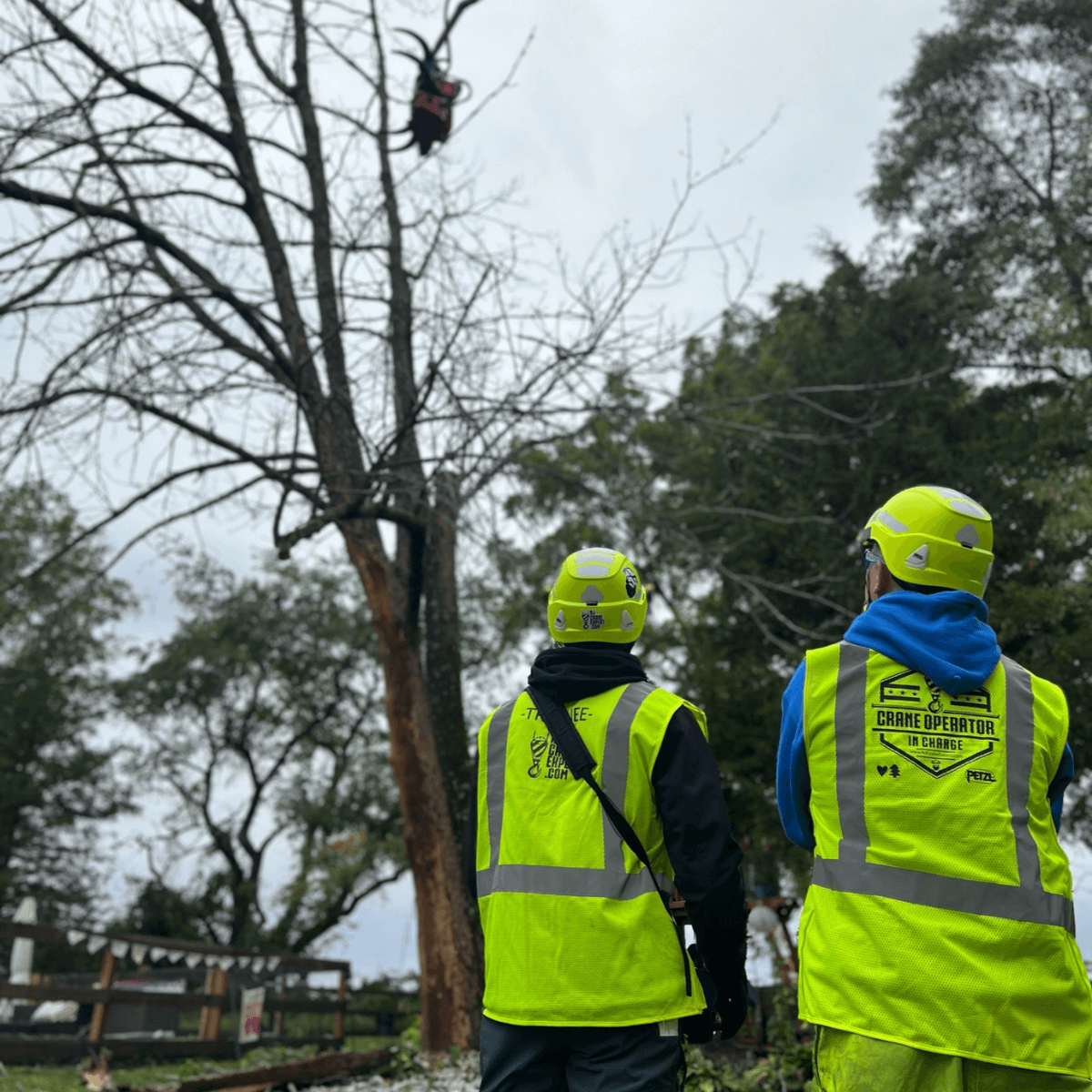
In practical terms, a standard tree removal estimate often includes the controlled cutting and lowering of the tree, section by section if necessary. Climbers or bucket operators remove limbs first to reduce canopy weight. Larger sections of wood are rigged with ropes so they can be lowered safely instead of dropped. This protects roofs, fences, landscaping, and concrete surfaces. The trunk is then cut down in manageable rounds until only the stump remains.
Most reputable companies also include debris handling as part of the basic removal. That means brush is chipped or loaded, trunk wood is hauled away or stacked if the homeowner wants to keep it for firewood, and the general work area is cleaned. Cleanup standards vary. Some crews leave a site looking almost untouched except for the missing tree. Others do a rough cleanup that is good enough for a backyard work zone but not what you would call finish-grade. This is one of those details worth clarifying before the job starts.
A typical quote for tree removal Metairie work may include some or all of the following:
- cutting down the tree in sections or by full felling, depending on space and risk
- rigging and controlled lowering of limbs over structures or utilities
- hauling or chipping branches and hauling trunk wood
- basic site cleanup, including raking or blowing hard surfaces
- leaving the stump, unless stump grinding is specifically listed
That last point causes the most confusion. Many homeowners assume stump grinding is part of tree removal. Often it is not. Removal and stump grinding are related services, but they are commonly priced separately because they require different equipment, different time, and sometimes a return visit.
Why stump grinding is often a separate line item
Once the trunk is down, the visible part of the work seems finished. But the stump is what remains in the ground, and removing or grinding it is a different task altogether. A stump grinder is a specialized machine with a rotating cutting wheel that shreds the wood below the surface. The machine reduces the stump into chips and allows the area to be leveled or prepared for future use.
Companies separate this service for a simple reason: not every customer wants it. Some homeowners plan to leave the stump in place as a rustic feature, a planter base, or because the tree is deep in a wooded corner of the yard. Others need the stump gone immediately because they want to replant, extend a lawn, install a patio, or eliminate a tripping hazard.
Grinding also depends heavily on access. In Metairie, side yards can be narrow, gates may not accommodate standard grinders, and backyard work sometimes requires smaller equipment with more labor or hand finishing. A stump that sits in an open front yard is one thing. A stump tucked behind an AC unit and a fence, with exposed roots crossing under a gate line, is another.
There is also a difference between stump grinding and full stump removal. Grinding reduces the stump below the soil line, often several inches to around a foot or more depending on the job. Full stump removal means physically extracting the root crown and often disturbing a much larger patch of ground. Most residential clients asking for stump service really want grinding, not full extraction.
What stump grinding typically includes
A proper stump grinding service begins with checking the immediate area for hazards and practical limits. The operator needs to know where irrigation lines, shallow utility runs, edging, drain lines, invisible pet fences, and landscape lighting may be located. Homeowners do not always think to mention these, but a good contractor will ask. Grinding machines are precise, but they are still powerful enough to destroy anything buried close to the stump.
The grinding itself usually goes below finished grade so the remaining cavity can be covered with chips or topsoil. Depth varies based on customer goals. If you want grass over the area, the company may grind deeper and spread the chips loosely so the spot can be filled and settled. If you are planning a new tree in the exact same location, that deserves a separate conversation, because replanting directly into ground full of old roots and wood chips is rarely ideal.
Surface roots are another area where expectations matter. Some companies include only the main stump and leave visible roots unless they are small and close to the base. Others will grind a few flare roots out to a certain radius. Extensive root grinding across a yard is usually extra, and sometimes not recommended if it risks destabilizing adjacent soil or interfering with hardscape.
Cleanup after grinding usually means raking the chip pile and leaving grindings on site, either mounded over the hole or nearby. Hauling chips away can often be done, but it is commonly an added charge because the pile is bulky and surprisingly heavy when mixed with soil. Many homeowners are fine keeping the chips. They settle over time, and the area can be topped off later. If the goal is a smooth lawn right away, ask whether backfilling with topsoil and rough grading is included or available.
Factors that change what is included
No two removals are identical. A mature water oak looming over a roofline is not priced or executed like a small ornamental tree near the curb. What is included in the final estimate depends on the tree itself, the property, and the amount of risk involved.
Tree size is the obvious variable. A twenty-foot crape myrtle can often be dismantled quickly with minimal equipment. A large live oak or pine can take a full day or more, especially if the crown spreads over structures. Height matters, but spread, trunk diameter, and wood weight matter too.
Condition also changes the approach. Dead trees can be more hazardous than healthy ones because limbs may snap unexpectedly under load. Rotten trunks may not support a climber safely, which means a crane or bucket access may be necessary. Storm-damaged trees are often the most unpredictable jobs. Limbs can be twisted under tension, and one bad cut can release energy fast. That is why post-storm work in Metairie often commands higher rates than routine removals.
Access is another major factor. A company can remove a tree more efficiently if trucks, loaders, or chippers can park close to the work area. If all debris has to be hand-carried through a narrow side yard, labor increases. The same goes for stump grinding. A wide gate allows for a standard grinder. A thirty-inch gate or steps into the yard can limit machine choice and slow everything down.
Then there are the surrounding targets. Power lines, service drops, gas meters, fences, patios, glass enclosures, detached garages, and neighboring properties all add complexity. The more delicate the surroundings, the more rigging and controlled cuts are required.
What is often not included unless you ask
This is where misunderstandings happen. A homeowner sees “tree removal” on the estimate and assumes tree removal metairie A Perfect Cut Tree Service the entire area will be restored to normal. The company sees “tree removal” as the cutting and hauling portion only. Neither side is trying to be difficult, but the definition of finished work can vary quite a bit.
Wood splitting is a common example. A crew may cut the trunk into haulable lengths, but that does not mean they are splitting firewood for you. If you want logs stacked in a certain spot or bucked into specific lengths, ask beforehand. The same applies to limb chips. Some homeowners want mulch left on site. Others want every scrap taken away. Both are reasonable, but neither should be assumed.
Root removal beyond the immediate stump is another gray area. Grinding the central stump does not erase an entire root system. Large roots naturally decay over time, but if they have already lifted concrete or become exposed in the lawn, additional work may be needed. That might involve extra grinding, cutting, or coordination with hardscape repair.
Lawn repair is frequently excluded as well. Even careful tree work can leave ruts if the ground is soft, especially after rain. Heavy sections of trunk can dent turf, and grinders can disturb the soil around the stump. Some companies offer light restoration. Many do not. If your yard condition matters, it is worth asking about turf protection mats, access route planning, and whether any finish work is included.
Permit requirements are another point where local context matters. Some removals require no special permitting, while others may involve local rules, HOA restrictions, or utility coordination. Homeowners should not assume the contractor is automatically handling that side of the process unless it is discussed.
How pricing usually breaks down
Most companies do not publish a flat menu because the range is too wide. The cost of tree removal Metairie projects depends on labor hours, crew size, disposal volume, equipment needs, and risk level. A small tree with open access may be relatively straightforward. A large tree over a house can involve a climber, a grounds crew, rigging gear, a chip truck, and half a day of concentrated work or more.
Stump grinding pricing is often based on stump diameter, but that can be oversimplified. Diameter at the widest point is common, though root flare and species can make one stump much more time-consuming than another of the same measurement. Access again matters. A grinder that rolls straight to the stump is efficient. A grinder that has to be wrestled through a tight gate or replaced with a smaller machine is not.
If an estimate seems much lower than others, it is worth checking what has been omitted. Sometimes the difference is simple, such as no haul-away, no stump grinding, or no cleanup beyond rough debris stacking. Other times the low price reflects a company that does not carry proper insurance or lacks the equipment to do the work safely. That may not show up in the quote, but it often shows up on the job.
A realistic picture of the workday
For a standard residential removal, the crew usually arrives with a chipper, work truck, saws, ropes, personal protective equipment, and, if needed, a bucket truck or mini loader. The first part of the morning often goes to setup. Cones, access checks, gear staging, and a final walk-through matter because tree work rewards preparation and punishes shortcuts.
Once cutting begins, the rhythm depends on the tree. Crews may remove outer limbs first, clearing the crown and reducing weight from the tips inward. In tighter yards, rigging lines are set so pieces swing into controlled landing zones. There is usually more communication than homeowners expect. Good crews talk constantly, calling cuts, line tension, and landing clearance.
By midday, a well-organized crew may have most of the canopy on the ground and processed. Brush gets chipped as they go, which keeps the site safer and more manageable. Larger wood is stacked or loaded. The trunk comes down in sections. If stump grinding is part of the same visit, the grinder often comes in after the area is clear.
The last stretch of the day is cleanup, and that step says a lot about a company. The best crews do not treat cleanup as an afterthought. They rake chips, blow off pavement, check for stray debris in beds, and make sure gates are secured and access paths are left in good order. Tree tree removal metairie removal is inherently messy, but the final presentation should still feel professional.
Questions worth asking before you sign
A short conversation before the work starts can save a lot of frustration later. If the estimate is thin on detail, get specifics in writing. That does not need to be complicated, but it should be clear.
Here are the questions that matter most:
- is stump grinding included, and if so, how deep will the stump be ground?
- will all debris, logs, and chips be hauled away, or will anything be left on site?
- are surface roots included, and how far from the stump does the grinding extend?
- what kind of cleanup is included at the end of the job?
- is the company insured for tree work, and who handles any required permissions or coordination?
Those five questions cover the most common points of confusion. They also reveal a lot about how organized the contractor is. Clear answers usually point to a company that has done this many times and knows where problems arise.
Special considerations for Metairie properties
Older neighborhoods in and around Metairie often have mature trees that were planted when houses sat on larger lots or before additions, fences, and outdoor kitchens changed the footprint of the property. That means many removals today happen in spaces that were never designed for easy equipment access. One side yard may have enough room for a grinder, while the other does not. One gate may open wide enough for a mini skid steer, while the decorative brick path behind it may not support the weight.
Drainage is another local consideration. South Louisiana soil conditions can stay soft, and heavy equipment can rut a lawn quickly if the timing is bad. A contractor familiar with the area will usually account for that, either by choosing smaller equipment, using mats, or sequencing the work to reduce repeated traffic over the same path.
Storm season also influences scheduling and expectations. After strong winds or a named storm, response times lengthen, and emergency calls move to the front of the line. In those periods, homeowners may need to separate urgent safety work from cosmetic follow-up. For example, a company may remove a hazardous split trunk right away, then return later for non-critical stump grinding or root cleanup once emergency demand settles.
When stump grinding is worth it, and when it can wait
If the stump sits in the middle of a lawn, near a walkway, or where children play, grinding is usually worth doing sooner rather than later. The stump becomes an obstacle to mowing, a tripping point, and eventually a place where insects and decay take hold. That does not mean every stump is an emergency, but it does mean postponing it rarely makes life easier.
On the other hand, if the stump is in a back corner of the property, far from regular use, some homeowners choose to delay grinding and handle it later. That can be a sensible budget decision. There is no rule that says removal and grinding must happen on the same day. Sometimes spacing the work makes financial sense, especially after a larger storm repair bill.
The exception is when future work depends on the area being clear. If you are planning a fence line, a driveway extension, drainage work, or new planting, keeping the stump usually just delays the inevitable. In those cases, bundling removal and grinding may save time and avoid a second mobilization charge.
The bottom line on what’s included
When people search for tree removal Metairie services, they are usually focused on the immediate problem: the tree has to go. But the smarter question is not just who can cut it down. It is what the complete scope looks like from the first cut to the final cleanup.
A well-scoped job generally covers safe dismantling, debris handling, and a defined cleanup standard. Stump grinding may be included, but often it is not unless specifically listed. Surface roots, chip removal, topsoil backfill, lawn repair, and log stacking are all details that can fall inside or outside the estimate depending on the company and the site.
That is why the best estimates are not always the shortest or the cheapest. They are the clearest. When the scope is spelled out, you know whether you are paying for a basic removal, a full-service removal with cleanup, or a more complete package that includes stump grinding and site finishing. And when you know that upfront, there is a much better chance the finished job will match what you expected when the crew first pulled into the driveway.
A Perfect Cut Tree Service
4725 Shores Dr, Metairie, LA 70006
+1 504-732-0779
FAQ About tree removal metairie
What is the average cost of tree removal in my area?
There is no single price that fits every tree. Size, condition, access, nearby structures, equipment, debris hauling and stump work affect the estimate. Request a written, site-specific quote that identifies what is included.
Who will remove trees for free?
Free removal is not generally available for ordinary private-property tree work. Utilities or public agencies may handle trees within their responsibilities. Confirm eligibility directly and do not assume that an offer or assistance program covers your tree.
Can I just cut down a tree in my yard?
Check ownership, location and local requirements first. Jefferson Parish requires a permit for removal of qualifying vegetation in the public right-of-way, and additional protections may apply in designated areas. Ask the parish about your property and have a qualified tree professional assess the work.